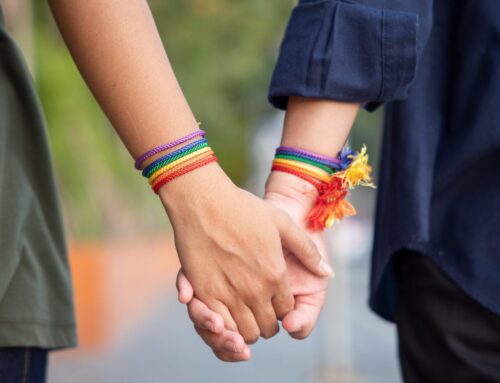
Building Strong Sibling Bonds Amongst Foster And Biological Children
Coming into a new home can be an extremely intimidating and nerve-wracking experience for a foster child. Especially if their reasons for being relocated to foster care, were traumatic and sudden. Encouraging positive relationships between your foster and biological children may be challenging at first but incorporating it into your fostering will create fantastic relationships with solid bonds if nurtured well.
Powerful Sibling Bonds
Encouraging positive and strong relationships between foster children and your biological children is not only a valuable endeavour but a crucial one in creating a harmonious and nurturing home environment. The success of fostering sibling bonds is influenced by various factors, including the ages, emotions, and personalities of all the children involved. Nevertheless, fostering these connections is imperative for the overall well-being and happiness of the family unit.
Parents play a pivotal role in shaping the dynamics of sibling relationships within the family. By promoting a culture of encouragement, openness, and understanding, parents can model healthy and positive interactions for all their children. This, in turn, sets the stage for fostering sibling relationships that are not only meaningful but also enriching.
Siblings can be essential allies in helping a new foster child feel welcome and at home. They often serve as role models, confidants, and sources of comfort for their new sibling. Their support can ease the transition for the foster child, making the adjustment to a new family environment smoother and more emotionally secure.
The benefits of strong and positive relationships between foster children and biological children are multifaceted. Firstly, these sibling bonds facilitate the development of important life skills, such as cooperation and conflict resolution. Children learn how to navigate differences and work together to achieve common goals, skills that are valuable in various aspects of life.
Additionally, sibling relationships provide a sense of connection and belonging, which is especially significant for many foster children who may not have experienced these feelings before entering their foster home. Feeling part of a loving and supportive family unit can be transformative for foster children, offering them the emotional security and stability they need to thrive.
These sibling bonds can also extend into adulthood, offering enduring sources of support and companionship. The strong relationships fostered during childhood often continue to flourish in later years, providing foster children with a lasting network of care and encouragement as they navigate the complexities of adulthood.
Furthermore, research indicates that individuals who have grown up with strong sibling bonds are more likely to be successful and to have healthy and secure relationships with others as adults. These early experiences of connection and cooperation contribute to their ability to form meaningful relationships and excel in various aspects of their lives.
Fostering positive and strong relationships between foster children and biological children is not only a noble endeavour but also one that yields significant benefits for all involved. Parents who promote open communication and a culture of encouragement set the stage for these sibling bonds to flourish. The resulting connections provide foster children with a sense of belonging, support, and the skills necessary for success in both their formative years and later in life. Ultimately, the bonds forged between siblings within the family unit are a testament to the power of love, compassion, and the lasting impact of fostering meaningful connections.

How to Help Build Strong Bonds
There are many ways you can help your foster children and biological children form strong bonds.
Prepare Your Children Before Your Foster Child Arrives
Discuss expectations and make sure your children. know that it may take a while for their new foster sibling to feel comfortable. Brainstorm some ideas, together on how your children can be friendly and welcoming to ease anxiety and build the foundation for a good relationship.
Give Each Child a Safe Space to Retreat to
It is imperative that young people have their own spaces to retreat to and can define their own boundaries. Having a safe space that is just for them will help build relationships based on trust and respect and allow your foster children to go at their own pace.
Take Introductions Slowly
Your children may not get along straight away, and that is normal. Don’t force them to be the best of friends right away. Instead, focus on things they have in common and highlight activities. They could enjoy together to allow them to find their own way and build a bond.
Create Shared Sibling Experiences
Encourage and plan activities for your children to do together. Having shared experiences creates a bond between anyone, and it will between your children too. Activities such as playing video games, building with toys, or playing at the park together will help develop positive sibling bonds.
Share Family Experiences
Similarly, experiences shared as a family will improve the relationship between foster and biological children. Your children will see the way you act and follow after. The best way for families to bond. Is to try something new together and create memories of an entirely new activity.
Establish New Traditions
Family traditions are essential in creating a feeling of belonging. Starting a new tradition with your foster child will make them feel like they are a part of the family. A new tradition could simply be a movie night on Fridays. Going for a walk after dinner or grabbing ice cream after a sporting game on the weekend.
Encourage Your Children to Help one Another
Encouraging your children to help each other is vital. If your biological child is good at something that your foster child is not. Encourage them to offer help and vice versa. Offering and accepting help can be a vulnerable step that leads to a stronger sibling bond. This will also encourage a nurturing relationship that will hopefully follow them into adulthood.
Help Your Children Talk Through Their Emotions
Allowing your children to talk through their emotions is an important step in helping them emotionally develop. Furthermore, it will enable you to know how they are feeling and what you can do to help. Doing this as a family can drastically improve bonds and create trust. However, don’t expect your foster child to open up immediately. Allow them to sit in and listen to other family members participate. They will join in soon enough when they see the care and respect you share. Being able to share emotions is an important life skill that you will teach them.

Activities to Encourage Sibling Bonds
Engaging in shared activities is an effective way to strengthen bonds between foster and biological children. Activities such as family game nights, group outings, and collaborative projects can help build camaraderie and trust. Encouraging children to work together towards common goals fosters teamwork and mutual support. Simple everyday activities, like cooking meals together or participating in arts and crafts, provide opportunities for positive interactions and shared experiences. These activities not only enhance sibling relationships but also create a cohesive family environment where all children feel valued and connected.
Encouraging strong sibling bonds between your foster and biological children is vital. If you are thinking about fostering or have any questions, reach out to Apple Fostering now.